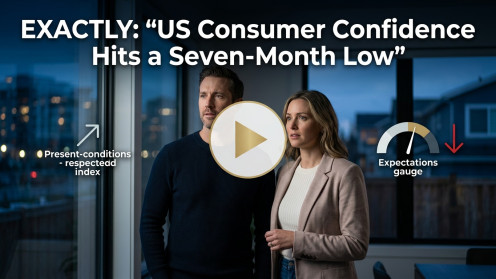
Recently, US consumer confidence dropped to its lowest point in seven months. While many people felt more secure about their current situation in mid-Q3, outlooks for income, business, and job prospects for the coming months grew more uncertain. The present-conditions index rose by about 7 points to 121, but the expectations index fell around 6 points to 68—slipping below the threshold often associated with recession risk.
During early Q3, employers shed 23,000 jobs and unemployment hovered close to 4%. This change was mostly due to people leaving the workforce, not because hiring picked up. Despite this softer confidence, interest in buying homes only eased slightly and then continued to climb. Around 61% of consumers still expect interest rates to rise further. With federal policymakers keeping rates steady and markets not anticipating near-term relief, borrowing costs are likely to stay elevated through year-end.
As someone who’s helped clients navigate more than 100 successful transactions across Georgia and Alabama, I know how shifting confidence and rate trends can shape your real estate decisions. My background in law and HR taught me the importance of careful, informed guidance at every step—from first consultation to closing. If you’re wondering how these broader trends might affect your buying or selling journey, I’m here to help you chart the best course forward.
Leave a Reply